Home
Concerned Citizens of Renfrew County and Area (CCRCA) is an incorporated, non-profit organization that has been working for the clean-up and prevention of radioactive pollution from the nuclear industry in the Ottawa Valley for 40+ years. Our current focus is the proposed giant mound for one million cubic meters of radioactive waste at Chalk River, Ontario and the proposed “entombment” of the Nuclear Power Demonstration reactor at Rolphton, Ontario. Both of these proposed nuclear waste disposal projects risk contaminating the Ottawa River, a drinking water source for millions of Canadians.
NEW: Ten things Canadians need to know about the giant radioactive waste mound coming to the Ottawa River
NOUVEAU: Dix choses que les Canadiens doivent savoir sur le monticule de déchets radioactifs en bordure de la rivière des Outaouais
La Presse: Projet de site d’enfouissement de déchets nucléaires de Chalk River « L’endroit est mauvais et la méthode est mauvaise » (English)
Algonquin First Nations oppose giant radioactive waste mound beside the Ottawa River on their unceded territory (français)
Canada’s failed nuclear waste policy is no surprise given our country’s deficient nuclear governance regime (Hill Times letter)
Flaws and deficiencies in the CNSC-led Environmental Assessment for the NSDF
OVERVIEW: Six reasons to STOP the Ottawa River radioactive waste landfill (français)
Open Letter ~ Cleanup of Chalk River radioactive wastes (français)
What would go into the Chalk River Mound (NSDF)?
Who will fix Canada’s nuclear governance gaps?(français)
Reforms needed at the Canadian Nuclear Safety Commission (français)
Critical Flaws, Errors and Omissions in CNSC staff’s EA report and case to approve the Chalk River Mound (français)
UPDATED: How would the Chalk River Mound (NSDF) leak? Let us count some of the ways
Proponent’s study appears to show the Chalk River Mound would disintegrate
IMPORTANT: International peer review finds deficiencies in Canada’s nuclear safety framework
Letter to Prime Minister Justin Trudeau: Requesting urgent attention to nuclear safety gaps in Canada
Letter to Treasury Board: Problems with the handling of Canada’s $8 billion federal nuclear waste liability by AECL
Petition to the Auditor General of Canada: Nuclear governance problems in Canada
Critical comments from 15 former AECL officials and scientists on CNL Radioactive Waste Disposal Projects
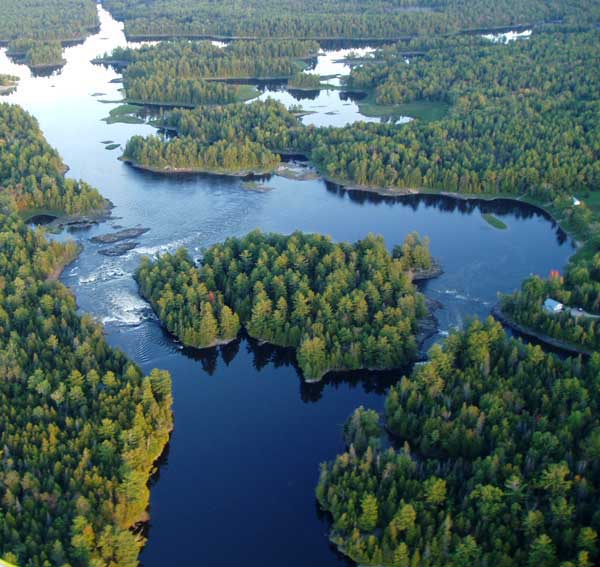
Islands and rapids in the Ottawa River downstream of Chalk River~photo by Ray Nash
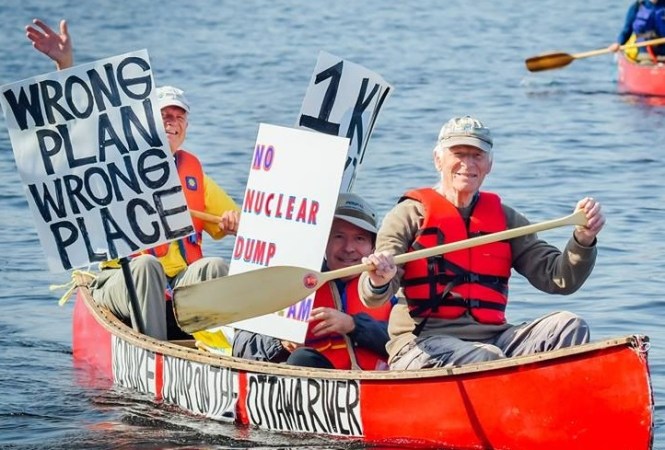
“No Nuke Dump on the Ottawa River”, Riverkeeper Parade, September 10, 2017

